
17
Mar
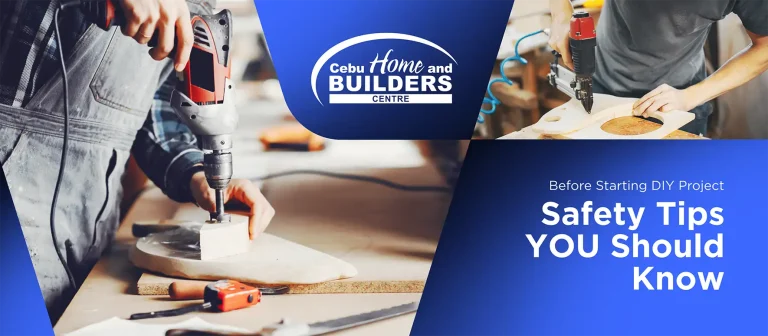
Before Starting DIY Project: Safety Tips YOU Should Know
Safety is one of the most important aspects to consider during any DIY project. You might not think much about it, but there is a fine line between a project going smoothly and ending with a serious injury.
In fact, according to data from the Department of Health’s Online National Electronic Injury Surveillance System (ONEISS), the home is consistently one of the most common places for accidental injuries in the Philippines, with open wounds and lacerations accounting for nearly half of all reported cases nationwide. DIY accidents are no joke, and slips, falls, cuts, and electrical shocks are some of the most frequent reasons a weekend project ends with a hospital visit.
So, what can you do to minimize the risk of injury before starting that DIY project?
Maintain Your Tools
First, make sure your tools are properly maintained. Inspect what you have on hand and ensure everything is up to standard. If you have dull blades, have them sharpened; if they are rusted, replace them entirely. Using paint sprayers or similar equipment? Make sure the tubes and nozzles are clear. When handling chemicals, verify that your containers are tightly sealed and the contents haven’t expired. If you suspect a tool isn’t working properly, stop and check it immediately. It is always better to be safe than sorry.
Plan Your Workflow
To ensure your project goes smoothly, you need a solid plan before you begin. Keep your manuals or instructions nearby, and make sure you are using the right tools exactly as intended. A clear, step-by-step plan not only improves your workflow but also significantly minimizes the chances of unwanted incidents and costly mistakes.
Keep Your Workspace Focused and Clean
While working, stay focused and organized. Keeping your workspace clean is of utmost importance, not just so you can find the tools you need, but to ensure you don’t trip over clutter or slip on a fresh spill. Additionally, try to minimize background distractions. Listening to music or a podcast while working can be entertaining, but it might make it harder to hear your surroundings. Stay completely focused when operating power tools.
Wear the Right Safety Gear
With safety being paramount, utilizing the right protective equipment is essential, as prevention is always better than paying unexpected medical bills. For typical DIY tasks, you must have the basics:
- Safety glasses or goggles to protect your eyes from stray splinters, dust, and other irritants.
- Respirators and high-quality dust masks to ensure you don’t inhale harmful particulates or paint fumes, which can trigger allergic reactions or respiratory issues.
- Work gloves to form a protective barrier on your hands, shielding your skin from harsh chemicals, sharp edges, and accidental scrapes.
Here at Cebu Home and Builders, we are committed to providing quality materials and reliable safety gear to help you bring your home improvement ideas to life.
Facebook
Twitter
LinkedIn
Email
Print