
9
Nov
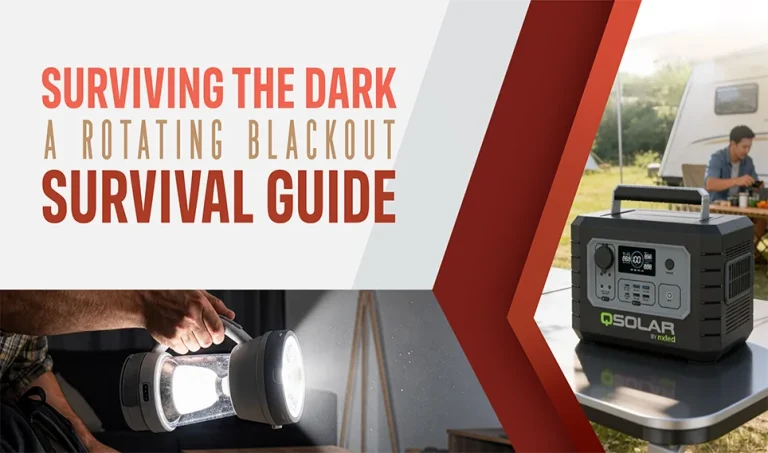
SURVIVING THE DARK: A ROTATING BLACKOUT SURVIVAL GUIDE
You’re in the middle of work in the office or at home and the lights die. What now?
Scheduled rotating blackouts are intended to reduce stress on the power grid. Sometimes it works. Rotating blackouts are becoming more frequent across the country – and nobody likes it when the lights and internet just die. It’s a problem that demands a solution.
Should you invest in a backup power source such as solar power or a gasoline-powered generator?
The answer is yes, if you can afford it and if space permits.
Residential solar energy is a new addition to the options available to the Filipino family or business. It is a practical and economical way of saving electricity in the long term. It reduces load on the power grid and frees you from dependence on grid electricity that might cut out when you need it most. Solar power needs sunlight to work, but for sunless days, a typical solar setup includes batteries for emergency use. The biggest argument against solar is the high upfront cost, particularly for larger homes and businesses.
The alternative is the traditional generator. Powered by gasoline, they are simple to power up in the event of a blackout. However, they’re now more expensive to use due to rising fuel costs. They require routine maintenance, especially after long periods of inactivity. The smell of gas and smoke are concerns, as is noise. Their utility is limited to emergencies, but they are very useful at such times. Most importantly, when used improperly, they become a hazard due to carbon monoxide buildup and should be used according to manufacturer directions.
These options are for buildings and houses. If you’re in an apartment, your best option is an emergency battery, which can be recharged via power outlets during normal day
What else can you do to prepare for rotating blackouts and emergencies?
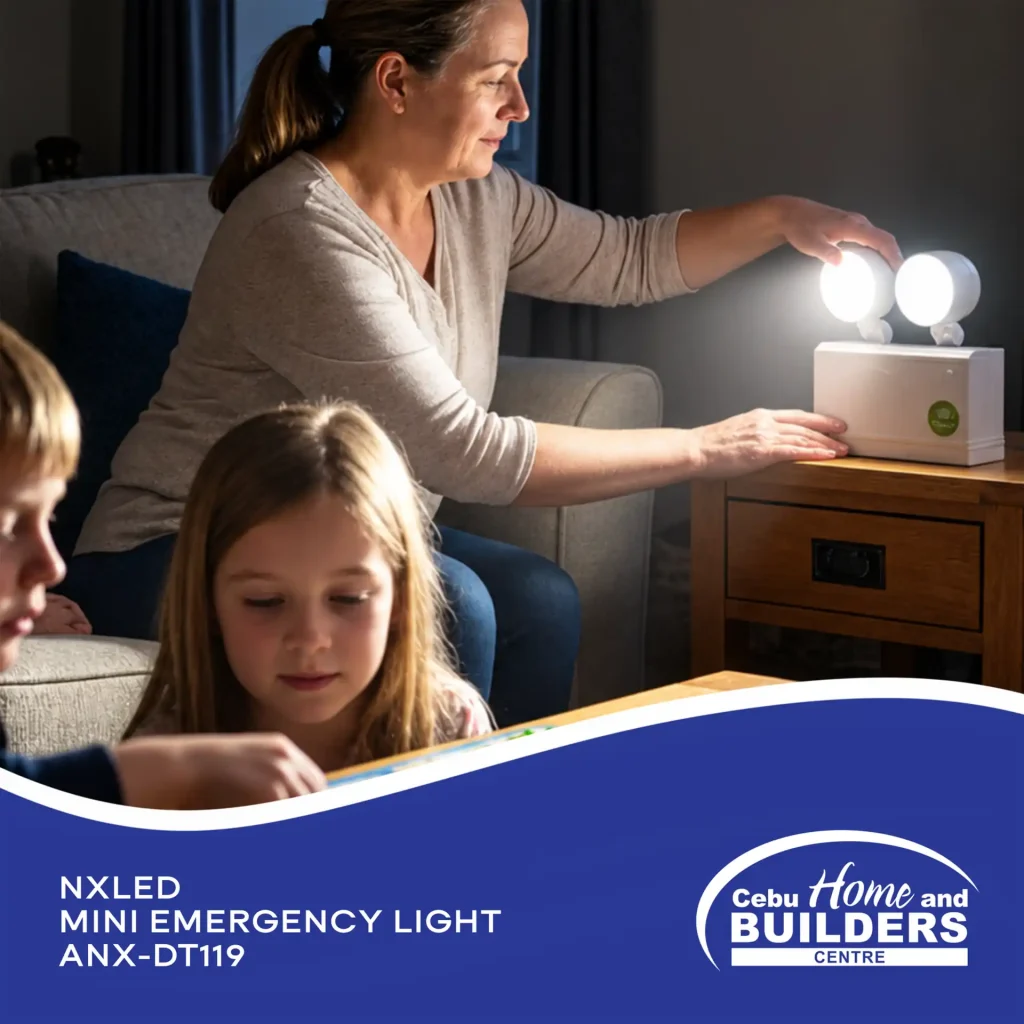
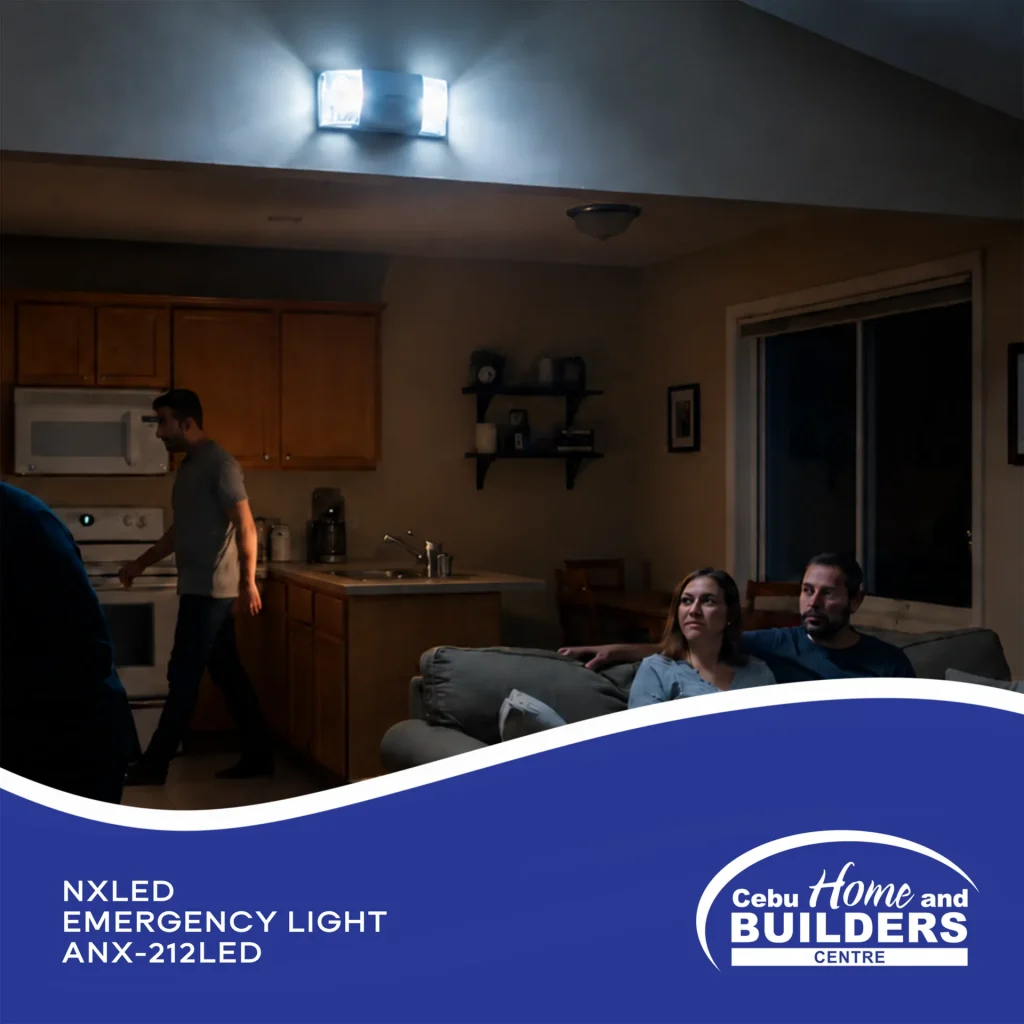
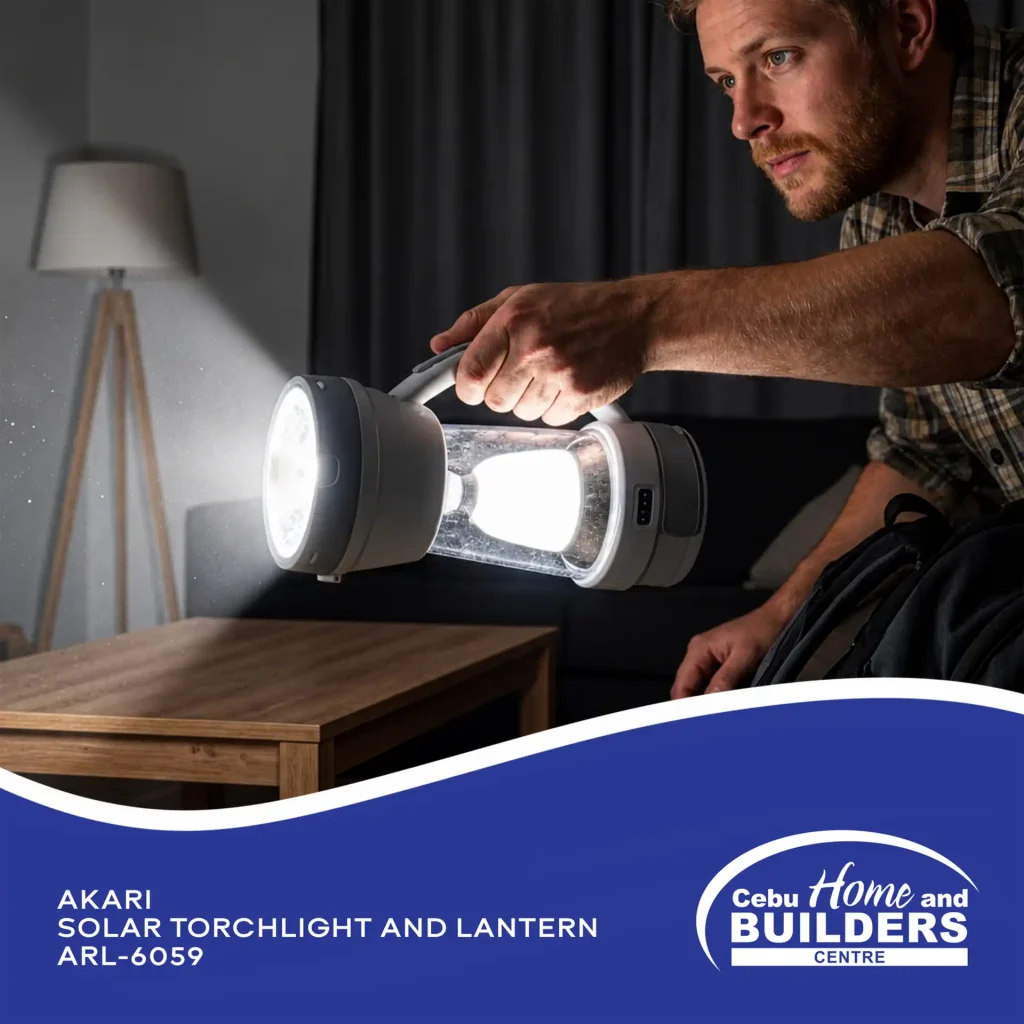
Backup lighting is one of the first things you should get. Rotating blackouts can happen in the evening, and lighting is necessary for safety and visibility. There are a wide variety of options, including flashlights, automatic emergency lighting, and rechargeable lights. This prevents you from having to drain your phone’s battery in order to see.
Emergency supply stockpiles are essential. This means food, water, medicine, spare batteries, and full power banks. Choose food that is canned or dried or in packs that don’t require refrigeration – constant opening and closing of the fridge will eventually cause your frozen food to thaw. Having a rechargeable power station is an option if you want to use appliances or charge your electronics during a blackout. This is however an expensive proposition, and power banks are generally enough to keep personal electronics charged. Basic first aid kits are essential in case someone gets hurt or sick. Spare batteries are necessary if you’re running flashlights or radios. Cleanliness and hydration call for several liters of water stored per person in the household.
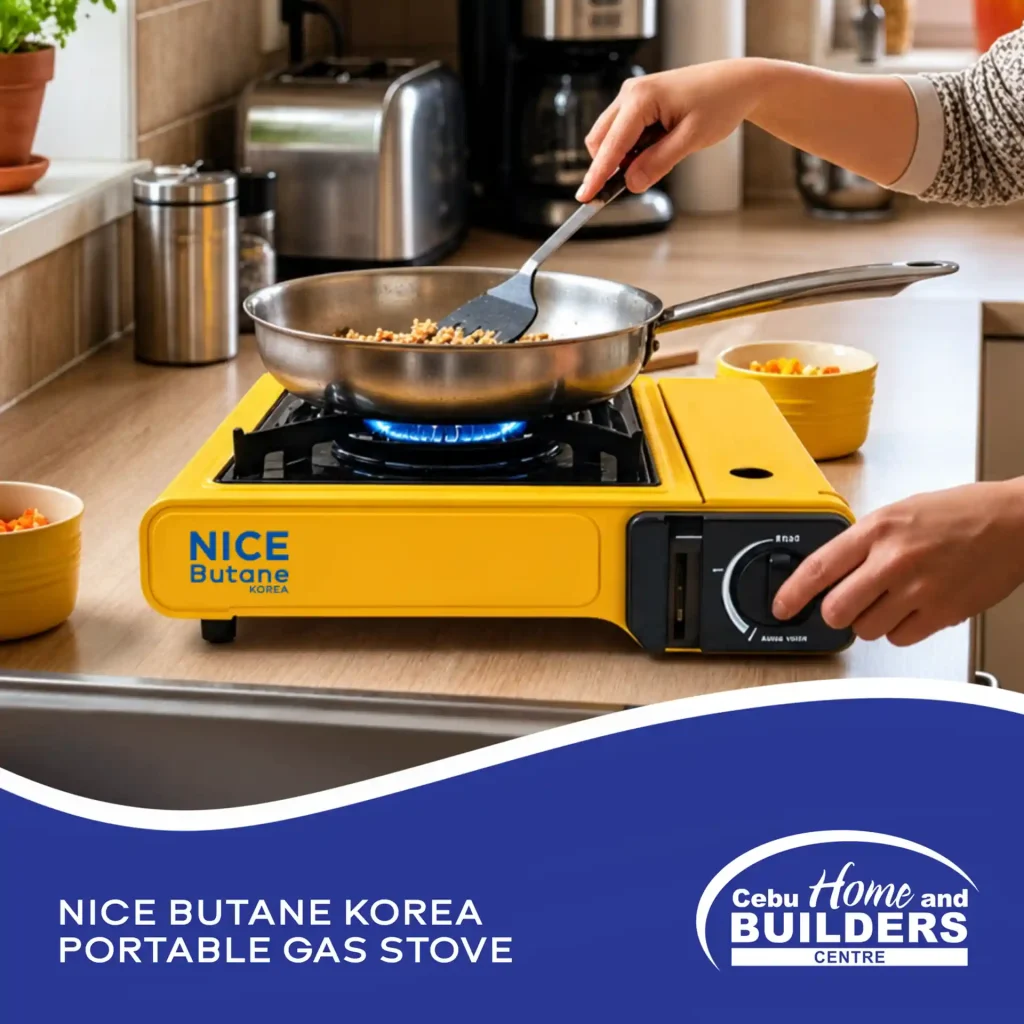
With more homes adopting electrical stoves, having a spare portable stove with extra gas canisters available is a practical backup option. Even with traditional gas stove tops, in the event that you do run out of gas, it is better to have a backup plan. As always, gas stoves must be used according to their instructions, with proper ventilation and correct fuel.
With all these and more, Cebu Home and Builders Centre has you covered for your home emergency needs. Visit any of our branches and ask our helpful staff to see what you need to prepare for these power outages.
Facebook
Twitter
LinkedIn
Email
Print